
All DexaFit Blog Posts
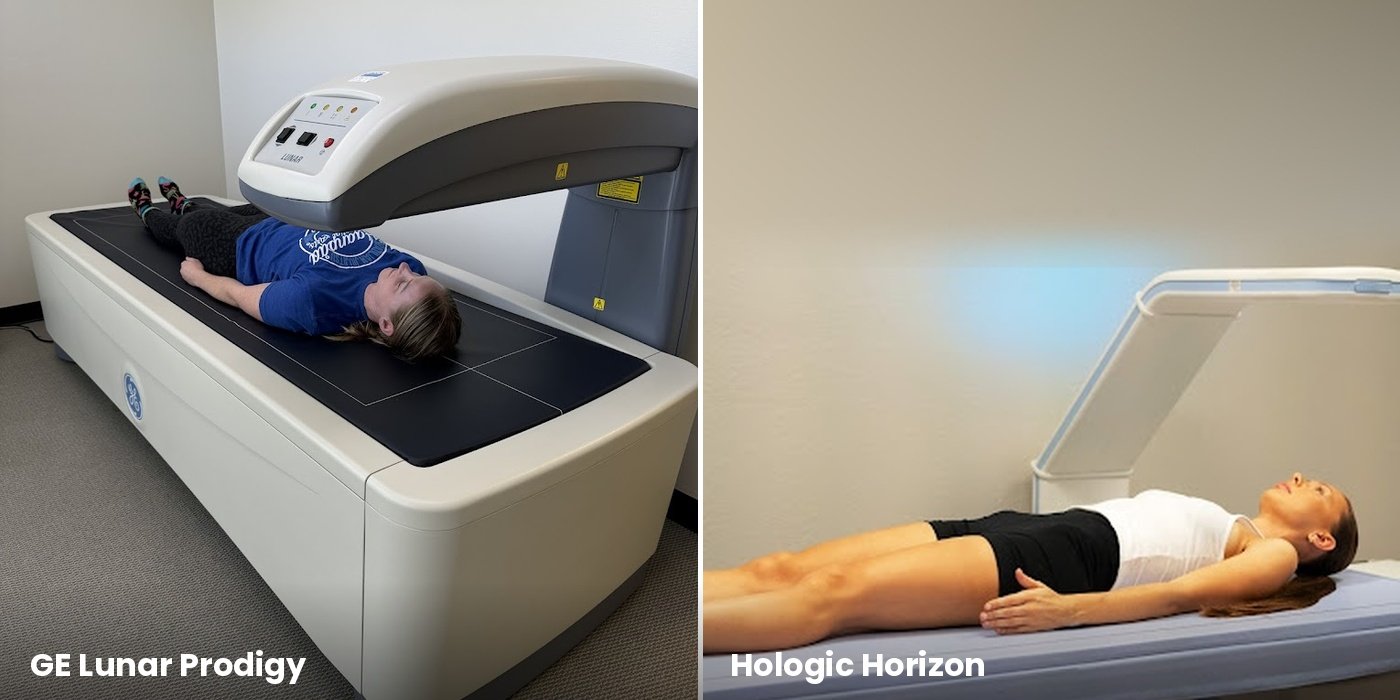
Your DEXA results are more consistent across locations than you think—if you know what to look for. Here's the data on what changes, what doesn't, and the one question that tells you everything.
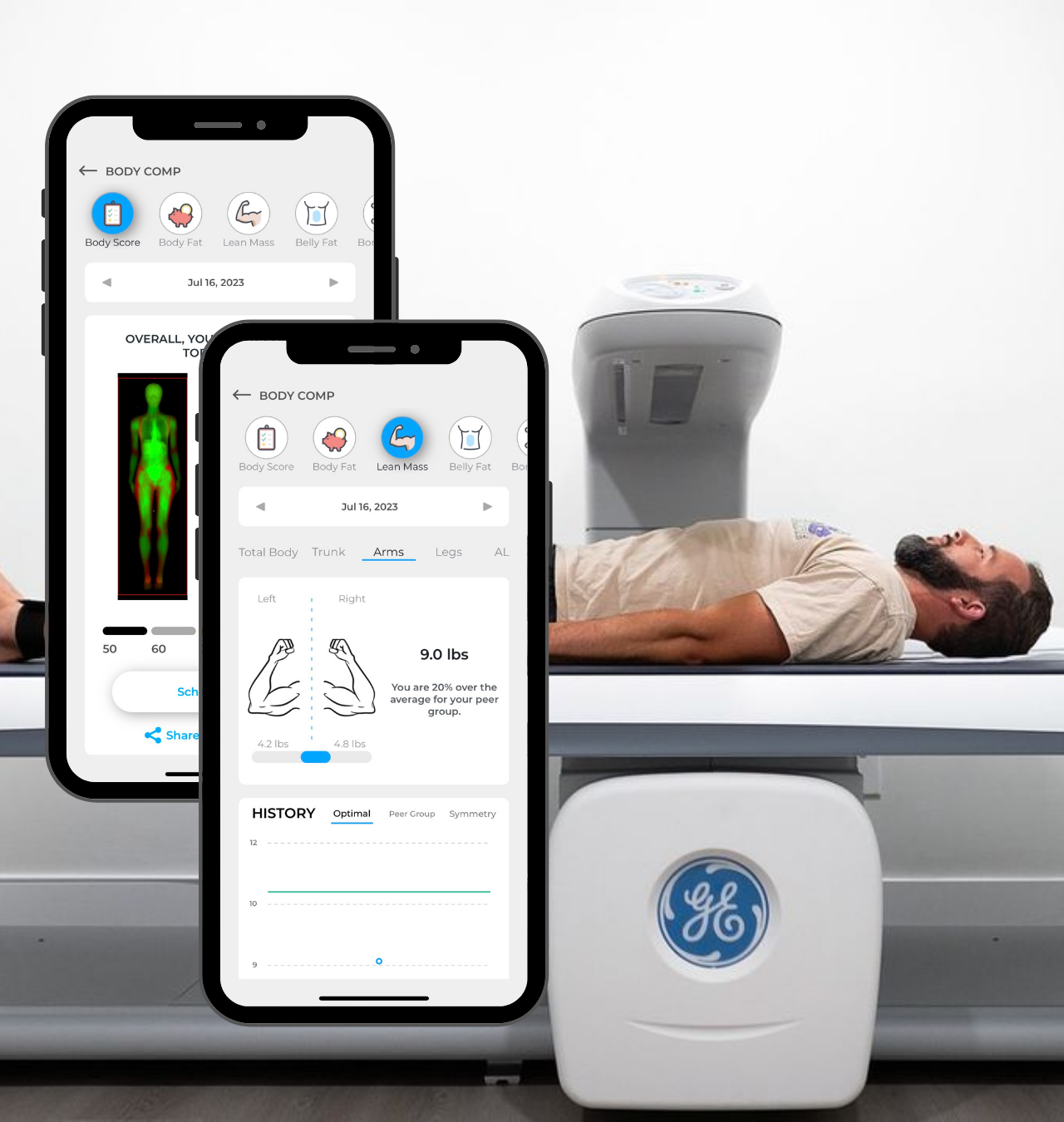
En 2025, DexaFit realizó un seguimiento de datos reales a través de una red global para ver qué cambia realmente cuando las personas dejan de hacer conjeturas y comienzan a medir. Los resultados revelan tendencias claras en la grasa corporal, la grasa visceral, la masa magra, la densidad ósea y el VO₂ máx., y lo que realmente es posible cuando se mide el progreso, en lugar de suponerlo.
El programa 60 Minutes puso de relieve la medicina de la longevidad, destacando herramientas como las exploraciones DEXA y las pruebas de VO₂ máx. como esenciales para desarrollar la fuerza, la esperanza de vida saludable y la resiliencia. Durante más de una década, DexaFit ha ayudado a las personas a acceder a estas mismas pruebas basadas en datos para comprender sus cuerpos y entrenarse para una vida más larga y saludable.

Las mitocondrias, los motores celulares de tu cuerpo, impulsan cada latido del corazón, cada pensamiento y cada movimiento. Con la edad, su número y eficiencia disminuyen, mientras que los defectos (heteroplasmia) aumentan. Este deterioro mitocondrial agota la energía, ralentiza la recuperación y aumenta el riesgo de enfermedades. El entrenamiento y el seguimiento del VO₂ máximo pueden preservarlas y reconstruirlas.

Un VO₂ máx. superior a 90 ml/kg/min es extremadamente raro, y solo se observa en atletas como Bjørn Dæhlie (96) y Oskar Svendsen (97,5). En estos casos confluyen factores genéticos, un volumen sistólico masivo, capilares densos y años de entrenamiento aeróbico intenso. Un VO₂ máx. elevado es importante, pero la eficiencia y la utilización fraccional (relación de línea roja) son los factores que definen el rendimiento sostenido.

El agua metabólica se produce dentro de las mitocondrias cada vez que el oxígeno se une al hidrógeno al final de la cadena de transporte de electrones. Esta agua pura, sin deuterio, hidrata las células desde dentro, alimenta las enzimas y la reparación, y se adapta al VO₂ máx. Entrenar el sistema aeróbico significa entrenar el suministro de agua del propio cuerpo.

El VO₂ máx. establece tu límite aeróbico, pero el rendimiento depende de más factores además de la absorción de oxígeno. Los resultados de resistencia vienen determinados por tres factores: el límite (VO₂ máx.), la fracción utilizable (umbral/relación de línea roja) y el coste (economía/eficiencia). Juntos, dictan la velocidad o la potencia que realmente puedes mantener.

Heteroplasmy—the fraction of mutated mitochondrial DNA—acts as a true clock of aging. As defective genomes rise, oxidative capacity, VO₂ Max, and metabolic water production fall. Crossing threshold levels disrupts gradients, accelerates decline, and raises disease risk. Training and light can reshape the mitochondrial pool.

Lactate isn’t just “the burn.” It’s both a marker of rising intensity and a valuable fuel. By pairing lactate thresholds (LT1/LT2) with ventilatory thresholds (VT1/VT2), athletes can define training zones, target the right systems, and improve performance through smarter, more efficient workouts.

Repeat-sprint ability (RSA) defines how well athletes sustain explosive efforts with short recoveries. VO₂ Max doesn’t set sprint speed but drives recovery—faster PCr recharge, quicker clearance, and less drop-off late in games. Elite performance blends aerobic capacity with targeted RSA training.

Low VO₂ Max is a stronger predictor of early death than smoking, diabetes, or hypertension. Massive studies show every small increase in VO₂ Max lowers mortality risk, with no upper limit to the benefits. For independence, aim for ~20 ml/kg/min; for longevity protection, 40+ is the sweet spot.

VO₂ Max isn’t just about performance—it’s your aerobic reserve. Higher VO₂ Max improves recovery from illness, surgery, and stress by providing more energy for immune function, healing, and rehab. Patients with higher VO₂ Max have fewer complications, shorter hospital stays, and better outcomes.

VO₂ Max naturally declines with age—about 10% per decade after 30. But research shows that 50–70% of this decline is preventable with consistent aerobic training. Zone 2 and Zone 4 workouts can preserve heart function, mitochondria, and muscle, keeping VO₂ Max above the independence threshold (20 ml/kg/min) well into later decades. In other words, aging lowers your ceiling—but training decides how steep the slope gets.

VO₂ Max is a vital sign that predicts health, longevity, and resilience better than blood pressure, heart rate, or glucose. It’s measurable, repeatable, actionable, and trainable. High VO₂ Max offsets disease risk, supports recovery, and shows how much aerobic reserve you truly have—treat it like your body’s foundation.

VO₂ Max isn’t just about endurance—it’s brain insurance. Higher VO₂ Max boosts cerebral blood flow, preserves hippocampal volume, and lowers dementia risk. Discover how aerobic training strengthens neuroplasticity, slows decline, and sustains mental sharpness for life.

Improve your VO₂ Max with a 3-part protocol: Zone 2 training to build your aerobic base, high-intensity intervals to raise your ceiling, and structured recovery to integrate gains. Timing, circadian-aligned light exposure, and mitochondrial signaling are key for lasting aerobic capacity and longevity.

Zone 2 training is the underrated foundation of endurance and longevity. It’s slow, steady exercise where your body burns fat efficiently, mitochondria multiply, lactate stays low, and recovery accelerates. This metabolic gear expands VO₂ Max, improves insulin sensitivity, and builds capacity that lasts.

VO₂ Max intervals are 3–5 minute efforts at 90–105% of your max heart rate—the sweet spot where oxygen delivery, extraction, and cardiac power are stressed most. Backed by research, these Zone 4 workouts raise your ceiling, expand VO₂ Max, and deliver the strongest longevity benefits of any training method.
Redline Ratio shows how much of your VO₂ Max you can actually sustain before fatigue. A high ratio means you access more of your aerobic engine efficiently, improving endurance, pacing, and resilience. Build VO₂ Max first, then train VT2 to raise your Redline Ratio for maximum performance.

VO₂ Max plateaus aren’t always about effort—they often signal mismatched training, poor recovery, circadian disruption, or skipping foundational Zone 2 work. Track Redline Ratio to see if you’re efficiently using your aerobic ceiling. Stabilize signals, recover well, and rebuild from the base to resume progress.

What is VO₂ Max?
VO₂ Max is the maximum amount of oxygen your body can use in one minute per kilogram of body weight (ml/kg/min). It measures how well your lungs, heart, blood, and cells work together to deliver and use oxygen for energy. A higher VO₂ Max means better cardiovascular fitness, more endurance, faster recovery, and lower risk of disease and early death.

What is the history of VO₂ Max?
VO₂ Max was first described in the 1920s by physiologist A.V. Hill, who discovered a limit to the body’s oxygen use during intense exercise. Initially used to study elite athletes, it later became a key clinical metric linking cardiorespiratory fitness to longevity and disease risk.

VO₂ Max is the most powerful fitness metric for predicting longevity—outperforming steps, heart rate, and calorie burn. While wearables offer estimates, only lab-tested VO₂ Max reveals your true cardiovascular and metabolic capacity. Here’s how it compares to other health measures and when to combine them.
VO₂ Max naturally declines about 10% per decade after age 30—but most of that drop isn’t genetic. Sedentary habits, not time, drive the loss. With targeted training, strength work, and sunlight-driven circadian alignment, you can slow—or even reverse—VO₂ Max decline and preserve lifelong aerobic capacity.

VO₂ Max, VO₂ Peak, and VO₂ Reserve aren’t the same. Only VO₂ Max—confirmed by an oxygen plateau in a clinical test—predicts longevity. VO₂ Peak is your highest effort that day, while VO₂ Reserve is a rehab tool. Here’s how to tell if your “VO₂ Max” is real or just an estimate.

VO₂ Max isn’t just about willpower—it’s a measure of mitochondrial density, efficiency, and resilience. These ancient cellular engines turn oxygen into energy, and more mitochondria mean higher VO₂ Max, better recovery, slower aging, and longer life. You can build them with targeted training, light, and lifestyle alignment.
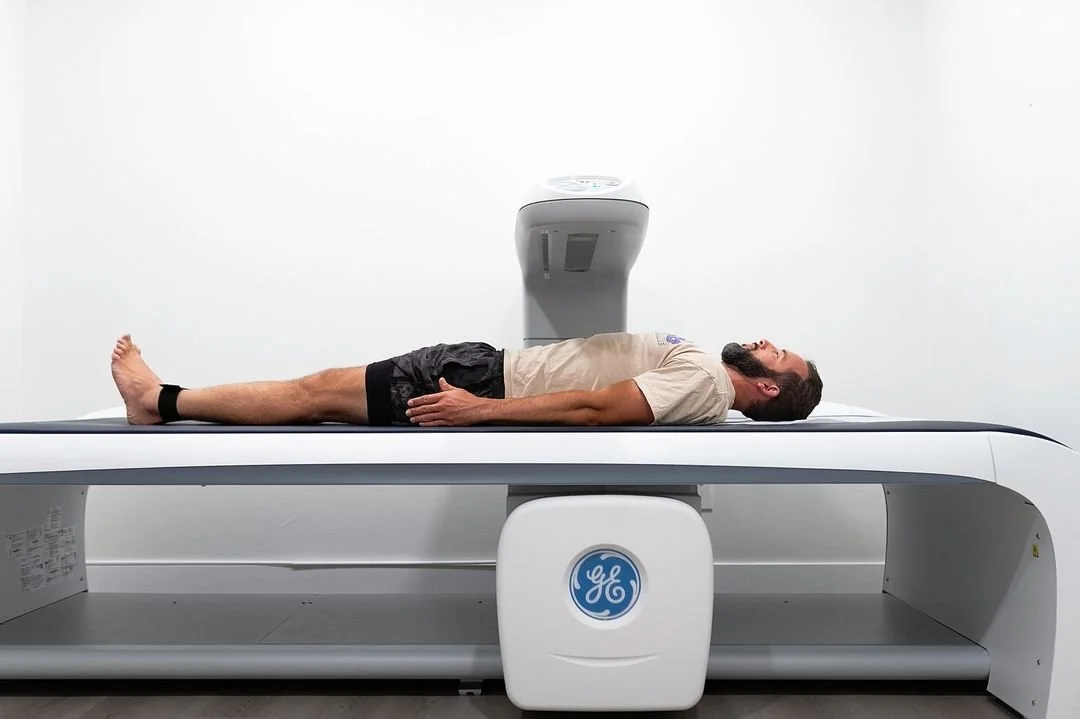
How does a DEXA scan know exactly how much fat, muscle, and bone you have? In this blog, we break down the science behind one of the most advanced health tools available today.
Learn why DEXA outperforms methods like BMI and smart scales, how it creates a pixel-by-pixel map of your body, and how it measures dangerous visceral fat.
We’ll also cover what the scan actually feels like, what makes it so precise, and why it’s a trusted tool in medical clinics, research labs, and elite sports centers.
Whether you're tracking fat loss, optimizing performance, or focused on aging strong — this is your full guide to understanding what you're really made of.

El error de 125 millones de dólares de la NASA demuestra por qué la precisión es importante, especialmente en materia de salud. El sistema basado en inteligencia artificial de DexaFit integra el VO₂ máximo, la grasa visceral, la calidad muscular y mucho más, lo que le proporciona una base clara y respaldada por la ciencia para optimizar su salud. En lugar de basarse en datos aislados, DexaFit conecta los puntos, validando sus decisiones sobre fitness, nutrición y bienestar con resultados reales y medibles. Descubre cómo nuestro enfoque de vanguardia te ayuda a realizar un seguimiento de tu progreso con confianza y a desarrollar una resiliencia a largo plazo. Tu salud se merece lo mejor. ¡Obtén más información hoy mismo!

La historia nos ofrece valiosas lecciones para nuestra salud actual. Mientras que Washington y Lincoln prosperaron gracias a un estilo de vida activo y una alimentación saludable, hoy en día nos enfrentamos a un reto diferente: las enfermedades crónicas provocadas por los hábitos modernos. ¿La buena noticia? Ya no tenemos que basarnos en conjeturas. DexaFit combina la sabiduría probada por el tiempo con la ciencia más avanzada, ofreciendo escáneres DEXA, pruebas metabólicas y evaluaciones de VO2 máx. para ayudarle a optimizar su salud con precisión. Descubra cómo los datos pueden validar y mejorar las prácticas que han mantenido la resistencia de los seres humanos durante siglos. Su cuerpo tiene las respuestas: DexaFit le ayuda a descubrirlas.

¡Descubra el secreto para optimizar su estado físico con el VO₂ máx., un indicador clave de la resistencia y la longevidad! Nuestro blog explora la evolución de la intensidad del ejercicio, desde los métodos tradicionales hasta las investigaciones más avanzadas. Descubra cómo el enfoque de cuatro zonas de DexaFit ai™ mejora el VO₂ máx., aumenta el rendimiento y ofrece una estrategia de entrenamiento más flexible y eficaz para una salud y vitalidad duraderas.